
Thrift Clothing is transforming the way people think about fashion, value, and responsibility. Once viewed mainly as a budget-friendly option, it has evolved into a global movement centered on sustainability, individuality, and smarter consumption. As awareness grows about the environmental and social impact of fast fashion, more people are turning to second-hand apparel as a meaningful and stylish alternative.
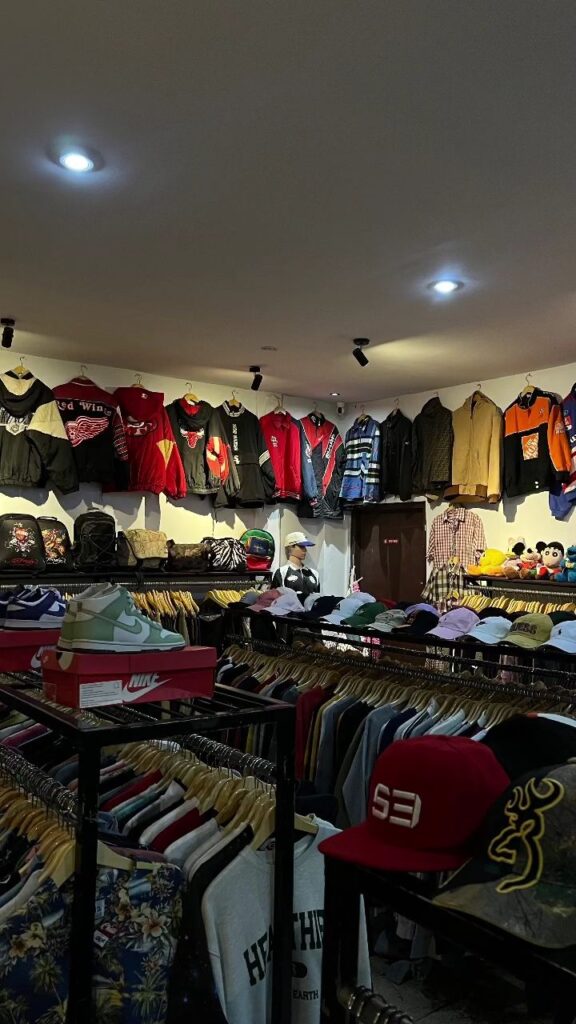
Thrift Clothing is transforming the way people think about fashion, value, and responsibility. Once viewed mainly as a budget-friendly option, it has evolved into a global movement centered on sustainability, individuality, and smarter consumption. As awareness grows about the environmental and social impact of fast fashion, more people are turning to second-hand apparel as a meaningful and stylish alternative.
The Changing Fashion Landscape
The fashion industry has changed dramatically over the past decade. Fast fashion brands release collections at an extreme pace, encouraging frequent purchases and quick disposal. While this model offers convenience, it creates serious environmental and ethical concerns, including pollution, excessive waste, and labor exploitation.
Second-hand fashion challenges this cycle by extending the lifespan of existing garments. Clothing that might otherwise be discarded is reused, restyled, and appreciated again. This approach reduces the demand for new production and helps slow the harmful effects of overconsumption.
As sustainability becomes a priority, pre-owned fashion is no longer seen as outdated. Instead, it is widely recognized as a smart, ethical, and modern way to dress.
Why Second-Hand Fashion Is Gaining Global Popularity
The growing popularity of resale fashion is driven by several key factors that appeal to a wide audience.
Affordability Without Compromise
One major advantage of buying pre-owned apparel is cost. High-quality items, including branded and designer pieces, are often available at much lower prices. This allows people from all income levels to build stylish wardrobes without financial stress.
Lower prices also encourage creativity. Shoppers feel more confident experimenting with colors, silhouettes, and styles when the investment is minimal, making fashion more enjoyable and personal
Rising Environmental Awareness
Consumers are increasingly informed about the environmental cost of clothing production. Manufacturing new garments requires massive amounts of water, energy, and chemicals, contributing significantly to pollution and climate change.
Choosing reused garments helps conserve resources and keeps wearable items out of landfills. For environmentally conscious individuals, resale shopping is an easy way to reduce personal environmental impact.
Influence of Social Media and Culture
Social media platforms have played a major role in changing perceptions of thrift clothing. Influencers, stylists, and everyday shoppers proudly showcase thrift finds, proving that second-hand fashion can be trendy, creative, and aspirational.
This visibility has helped remove outdated stereotypes and present thrift clothing as a modern lifestyle choice rather than a necessity.
Thrift Clothing and Sustainable Fashion
How Thrift Clothing Supports Sustainability
Sustainable fashion focuses on minimizing harm to the environment while maximizing the lifespan of clothing. Thrift clothing fits perfectly into this model by keeping garments in circulation longer.
Producing new clothes requires raw materials, water, and energy. By choosing thrift clothing, consumers reduce the need for new manufacturing, which directly lowers emissions and resource consumption.
Reducing Textile Waste Through Thrift Clothing
Textile waste is one of the biggest challenges facing the fashion industry. Millions of tons of clothing are discarded each year, much of it still wearable.
Thrift clothing helps address this issue by giving garments a second life. Instead of contributing to landfill overflow, clothes continue to be used, valued, and enjoyed. This shift promotes a circular fashion economy where reuse becomes the norm.
Thrift Clothing as a Smart Financial Choice
Fashion can be expensive, especially when trends change quickly. Thrift clothing offers a practical solution by allowing shoppers to invest in quality without overspending.
Many second-hand garments are made from durable fabrics such as denim, wool, leather, and cotton—materials designed to last. Older clothing often features stronger stitching and craftsmanship compared to some modern fast-fashion items.
By focusing on longevity rather than trends, thrift clothing helps people build wardrobes that are both stylish and cost-effective.
Thrift Clothing and Personal Style Expression
Uniqueness Over Mass Production
One of the most exciting aspects of thrift clothing is individuality. Unlike mass-produced retail fashion, thrift stores often carry one-of-a-kind pieces that cannot be easily replicated.
Vintage jackets, retro prints, classic denim, and timeless silhouettes allow individuals to express their personality through clothing. This uniqueness makes outfits feel more authentic and meaningful.
Blending Old and New Fashion
Thrift clothing works beautifully alongside modern fashion. Mixing vintage pieces with contemporary styles creates dynamic, original looks that stand out naturally.
This approach encourages creativity rather than trend-following, allowing people to define their own style identity.
How to Choose Quality Thrift Clothing
Successful thrift shopping requires patience and attention to detail. Not every item will be perfect, but knowing what to look for makes the process rewarding.
Check Fabric and Construction
Fabric quality is one of the most important factors when choosing thrift clothing. Natural fibers such as cotton, wool, linen, and denim tend to age well and offer better comfort.
Inspect stitching, seams, zippers, and buttons to ensure durability. Minor wear is normal, but the garment should still be structurally sound.
Focus on Fit and Comfort
Sizing can vary depending on brand or era, so trying items on or checking measurements is essential. Choosing clothes that fit well ensures long-term wear and satisfaction.
Smart thrift shopping prioritizes quality over quantity, resulting in a more functional wardrobe.
Caring for Thrift Clothing Properly
Proper care is essential for extending the life of thrift clothing. With simple maintenance, second-hand garments can remain stylish and wearable for years.
Gentle Washing and Storage
Washing clothes gently, using mild detergents, and avoiding harsh drying methods help preserve fabric quality. Proper storage also prevents stretching, fading, and damage.
Simple Repairs and Alterations
Small fixes such as replacing buttons, repairing seams, or hemming pants can refresh thrift clothing easily. Learning basic clothing maintenance saves money and strengthens the connection between the wearer and their wardrobe.
The Social Impact of Thrift Clothing
Beyond personal benefits, thrift clothing often supports social and community initiatives. Many thrift stores operate as nonprofits or fund job training programs, shelters, and charitable causes.
Shopping second-hand can also support local businesses and reduce reliance on large corporations. This adds ethical value to every purchase and strengthens community engagement.
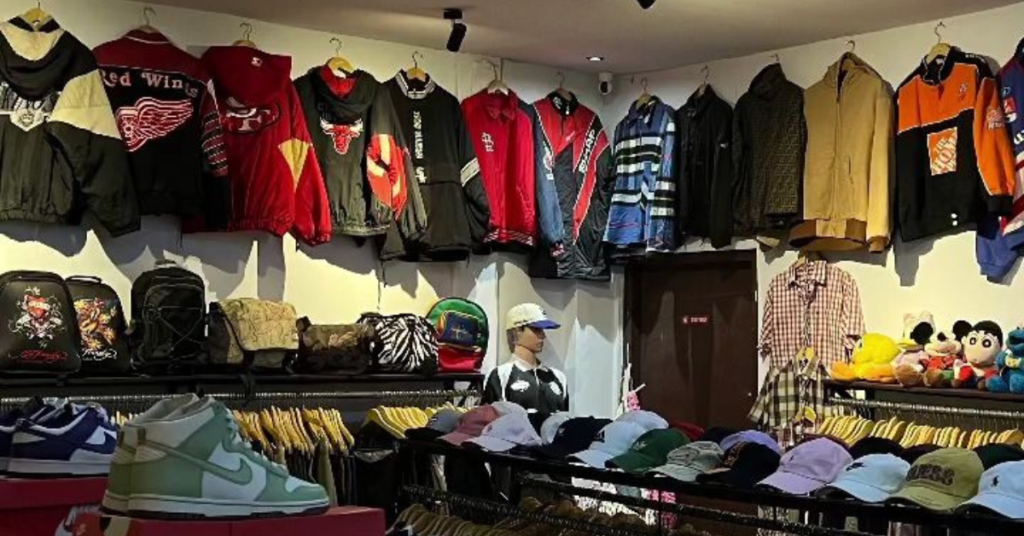
The Future of Fashion Is Thrift Clothing
Fashion is moving toward intention rather than excess. Consumers are increasingly prioritizing sustainability, authenticity, and long-term value.
Thrift clothing represents this future clearly. With growing awareness, improved resale platforms, and changing consumer attitudes, second-hand fashion continues to gain momentum worldwide.
This movement is not temporary—it reflects a lasting shift in how people think about clothing and consumption.
Why Thrift Clothing Is Here to Stay
Thrift clothing is more than a trend; it is a statement of smart living. It combines affordability, sustainability, and individuality in a way few fashion options can.
As people continue to seek meaningful, responsible choices, thrift clothing will remain a powerful force shaping the future of fashion. Choosing thrift clothing means choosing style with purpose, value with awareness, and fashion that truly lasts.