
Fashion today is no longer only about appearance. It has become a reflection of values, responsibility, and smarter decision-making. Consumers are paying closer attention to how their clothing choices affect the environment, their finances, and their sense of individuality. This shift has pushed second-hand fashion into the mainstream, turning it from a niche concept into a global movement.
This transformation is not accidental. It reflects growing awareness about environmental damage, rising costs of living, and the desire for unique personal style. Thrift clothing stands at the center of this shift, offering long-term value instead of short-lived trends.
The Growing Shift Away from Fast Fashion
Fast fashion relies on rapid production and constant trend cycles. Brands encourage frequent buying, leading to overconsumption and massive waste. While this model may seem convenient, it places enormous pressure on natural resources and landfill systems.
Buying pre-loved garments offers a clear alternative. Instead of discarding wearable items, clothing is reused and appreciated again. This simple change reduces the need for new manufacturing and helps lower pollution, water waste, and energy use. Fashion no longer needs to be disposable to feel exciting.
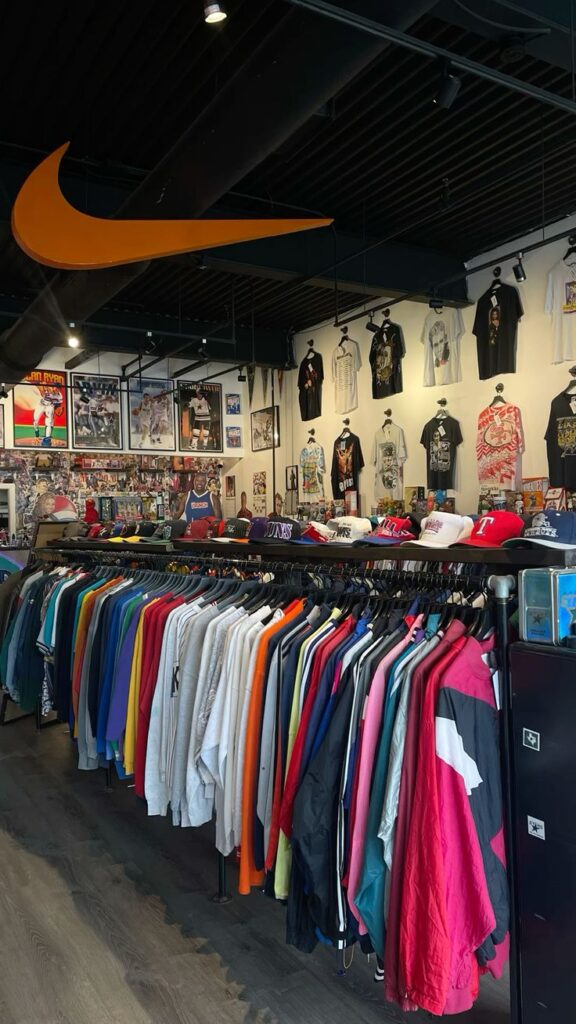
Why Second-Hand Fashion Is Gaining Global Attention
One major reason behind the popularity of resale fashion is accessibility. Quality clothing from trusted brands becomes affordable for a much wider audience. Students, families, and professionals can all build stylish wardrobes without financial strain.
Environmental awareness also plays a strong role. Consumers are increasingly informed about the impact of textile production, including chemical use and carbon emissions. Choosing previously owned apparel becomes an easy way to make eco-conscious decisions.
Social platforms have further fueled this interest. People proudly share their second-hand finds, showing that reused fashion can be stylish, modern, and expressive.
Environmental Benefits of Choosing Pre-Owned Apparel
Creating new garments requires large amounts of water, raw materials, and energy. Synthetic fibers depend on fossil fuels, while cotton farming places heavy demands on water resources.
Reusing existing clothing helps conserve these resources. Each purchase prevents unnecessary waste and reduces the strain on the environment. Over time, these small actions create a significant positive impact and support a more sustainable fashion system.
This approach also encourages a circular economy, where clothing is reused, repaired, and valued for longer periods instead of being quickly discarded.
Affordability Without Compromising Quality
Building a fashionable wardrobe can be expensive, especially when trends change rapidly. Shopping second-hand allows individuals to focus on quality instead of quantity.
Many older garments are crafted with durable fabrics and strong stitching, making them long-lasting options. Materials like denim, wool, leather, and cotton often perform better over time compared to cheaply produced fast-fashion items.
Lower prices also remove pressure from the shopping experience. People feel more comfortable exploring new styles when the cost is reasonable, making fashion enjoyable rather than stressful.
Personal Style and Creative Freedom
One of the most appealing aspects of resale fashion is individuality. Unlike mass-produced clothing, pre-owned pieces are often limited, allowing people to create looks that feel personal and original.
Vintage outerwear, classic denim, and timeless silhouettes help build outfits that stand out naturally. Mixing older designs with modern pieces encourages creativity rather than imitation.
This freedom allows people to define their style based on personality, not trends.
Supporting a Sustainable Lifestyle
Sustainable living is about making thoughtful decisions across daily life, including what we wear. Choosing reused garments aligns perfectly with this mindset by reducing waste and encouraging mindful consumption.
Each purchase helps lower demand for new production, which in turn reduces energy use, transportation emissions, and chemical processing. Over time, this approach reshapes shopping habits and promotes long-term thinking.
For many, resale fashion becomes the first step toward a more conscious lifestyle.
How to Select Quality Pieces
Successful second-hand shopping requires patience and attention to detail. Examining fabric strength, seams, buttons, and zippers helps ensure durability.
Natural materials often age better and provide more comfort. Proper fit is also important, as sizing may vary depending on brand or era. Choosing fewer high-quality items leads to a stronger, longer-lasting wardrobe.
Maintaining Pre-Owned Garments
Good care extends the life of reused clothing. Gentle washing, mild detergents, and proper storage keep garments looking fresh.
Simple repairs such as fixing seams or replacing buttons can restore items easily. These small efforts not only save money but also build a stronger connection with what you wear.
With the right care, previously owned garments can look just as good as new ones.
Social and Community Impact
Beyond environmental benefits, resale fashion often supports social causes. Many stores fund community programs, job training initiatives, or charitable organizations.
Shopping locally also strengthens small businesses and reduces reliance on large corporations. This adds ethical value to every purchase and deepens the impact of conscious fashion choices.
The Future of Fashion Is Conscious
Fashion is moving toward intention rather than excess. Consumers are prioritizing durability, authenticity, and meaning over constant replacement.
Second-hand fashion fits perfectly into this future. As technology improves resale platforms and awareness continues to grow, this approach will remain an essential part of the industry.
This shift is not temporary—it reflects lasting change.
Why This Movement Will Last
Choosing reused clothing is more than a trend; it is a statement of smart living. It reflects care for the planet, appreciation for individuality, and respect for value.
As people continue to seek sustainable and meaningful choices, second-hand fashion will remain a powerful influence shaping the future of style.